
 Mediamec
 Johannesburg Mayor Thembisile “Thembi” Morero has strongly denied allegations that the city’s administration unilaterally suspended parts of the popular Rea Vaya bus rapid transit system. Her remarks come in response to accusations from municipal councillor Kunene, who recently claimed certain Rea Vaya routes were halted without adequate notice or consultation.
In a public statement, Morero challenged Kunene to provide clear evidence supporting his assertions, saying the city had followed due process and engaged relevant stakeholders before making any operational adjustments to the transport network. She described the allegations as misleading and emphasized that all decisions concerning Rea Vaya had been taken with careful consideration of commuter needs, contract obligations, and service delivery requirements.
A Dispute Over Service Adjustments
At the heart of the disagreement is whether changes to Rea Vaya’s schedule and route operations amounted to an effective suspension of the service. Kunene asserted that several routes had been scaled back or temporarily halted in ways that disrupted commuters, particularly in peripheral areas where alternatives are limited. He framed these adjustments as unilateral and criticised the city for a perceived lack of transparency.
Mayor Morero’s office countered that any service changes were part of routine operational reviews aimed at improving efficiency, aligning capacity with demand, and ensuring fiscal sustainability. She maintained that the city had communicated with transport unions, service providers, and commuter groups prior to implementing changes and had provided advance notice where possible.
Impact on Commuters and the Transport Network
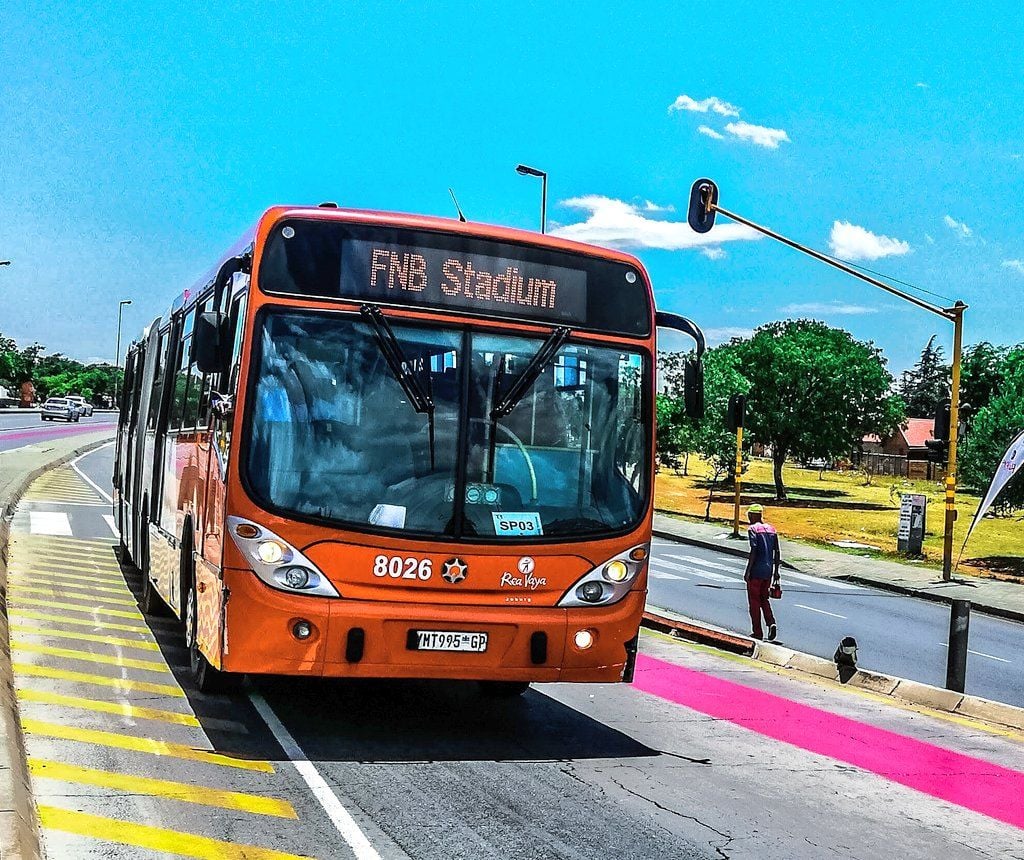
Rea Vaya, Johannesburg’s flagship bus rapid transit system, remains a critical part of the city’s transport infrastructure — serving thousands of passengers daily and providing an affordable, structured alternative to minibus taxis and informal transport options. For many commuters, reliability and predictability of service are top priorities, and debates over service levels can quickly gain political traction.
Some community representatives have voiced concern about disruptions to specific routes, especially those serving workers with non-standard hours or neighbourhoods less well connected to the urban core. They argue that even temporary changes can have significant effects on livelihoods, highlighting how dependent many residents are on public transport.
Politics, Accountability and Public Transport
The exchange between Morero and Kunene reflects broader tensions in Johannesburg politics over service delivery and accountability. Public transport from Rea Vaya to local bus and taxi routes — is not simply a logistical matter but a key issue in municipal governance, intersecting with questions of equity, economic access and quality of life.
Opposition councillors have seized on the Rea Vaya situation to challenge the mayor’s leadership style, suggesting that better communication and more collaborative decision-making could reduce friction. Meanwhile, Morero has reiterated her commitment to maintaining and expanding reliable transport services, saying that constructive dialogue remains open even as she rejects what she characterises as unfounded claims.
What’s Next
As the municipal year progresses, both sides are likely to continue debating not only the specifics of Rea Vaya operations but broader transport policy and service standards. For commuters who rely on the system every day, clarity on schedules, routes and long-term plans will remain a pressing concern.
Mayor Morero has called for evidence to be tabled formally in council so that issues can be addressed in a structured, transparent forum. Whether this will ease tensions or fuel further debate depends in part on how swiftly and clearly information is shared with the public.
In a city where public transport is both a lifeline and a political litmus test, the Rea Vaya dispute highlights the challenges of managing essential services while navigating rival narratives and political scrutiny.