

 Mediamec
South Africa’s fragile energy system is being kept afloat by just a handful of critical facilities that continue to prevent a deeper national energy breakdown, despite growing pressure on the grid and declining long-term stability.
The country’s electricity and industrial energy balance is increasingly dependent on a small cluster of power-generation and fuel-supply assets that are still functioning reliably. Without them, experts warn the system would face a far more severe “energy cliff” scenario, with widespread economic disruption.
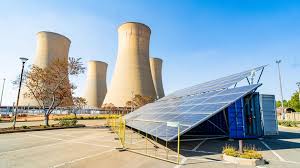
One of the most important stabilisers remains the core fleet of operational coal-fired power stations, which continue to supply the bulk of baseload electricity. While many stations have suffered from aging infrastructure and inconsistent performance, the remaining high-performing units are essential in preventing deeper and more frequent supply shortages.
Alongside electricity generation, gas infrastructure plays a critical role in sustaining industrial activity. South Africa is facing a looming reduction in imported and regional gas supply, and the existing facilities that process and distribute gas are helping to delay the full impact of that shortfall. These systems are vital for industries such as manufacturing, chemicals, and heavy production that rely on continuous gas access.
A third stabilising factor is the transmission and grid control network, which ensures that available electricity is efficiently distributed across regions. Even when generation is constrained, this system helps prevent total collapse by balancing load distribution and maintaining system frequency stability. However, the network is under increasing strain as demand rises and infrastructure ages.
Despite these stabilising elements, the broader energy system remains under significant pressure. Rising maintenance backlogs, delayed investment in new capacity, and uncertainty around future fuel supply are all contributing to long-term risks.
Energy analysts caution that while these three components are currently preventing a full-scale breakdown, they are operating with little margin for error. Any sustained failure or disruption in one or more of these areas could accelerate the country’s movement toward a much deeper energy crisis.
For now, South Africa remains in a precarious holding pattern supported by a few critical systems that are becoming increasingly difficult to maintain at the required level of performance.