
![[FREE] DRAKE – BUST IT [R&B/HIP HOP TYPE BEAT]](https://www.mediamec.co.za/wp-content/uploads/2026/05/media_1a1a9285c8debf2e9f27897c70c9366b3fb8cf70b-300x200.jpg)



 Mediamec
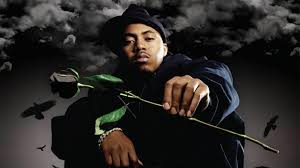
 When Nas dropped his 2006 album Hip Hop Is Dead, the title alone sent shockwaves through the music industry. At a time when rap was commercially dominant and culturally influential, his words seemed to contradict the genre’s visible success but the message carried a deeper meaning.
Nas wasn’t suggesting that hip-hop had literally disappeared. Instead, he was criticizing what he saw as a growing disconnect between the culture’s roots and its modern direction. He believed the genre had become increasingly shaped by commercial priorities, where financial gain often outweighed originality and substance.
In his view, the issue extended beyond hip-hop. He argued that much of American music was experiencing a similar shift, with artistry being sidelined in favour of formulas designed to maximise profit. For Nas, this change diluted the authenticity that once defined the sound and spirit of the culture.
The controversial phrase was meant to provoke reflection. By declaring hip-hop “dead,” he aimed to spark conversation and encourage both artists and audiences to demand more depth and purpose from the music.
He also reflected on the impact of losing influential figures such as Tupac Shakur and The Notorious B.I.G., suggesting their absence may have altered the genre’s trajectory. Still, he acknowledged that industry pressures would have remained a powerful force regardless.
Years later, the statement continues to resonate. Rather than marking an endpoint, it became a defining moment of introspection one that challenged hip-hop to examine itself and evolve in response.


![[FREE] DRAKE – BUST IT [R&B/HIP HOP TYPE BEAT]](https://www.mediamec.co.za/wp-content/uploads/2026/05/media_1a1a9285c8debf2e9f27897c70c9366b3fb8cf70b-768x513.jpg)