
![[FREE] DRAKE – BUST IT [R&B/HIP HOP TYPE BEAT]](https://www.mediamec.co.za/wp-content/uploads/2026/05/media_1a1a9285c8debf2e9f27897c70c9366b3fb8cf70b-300x200.jpg)


 Mediamec
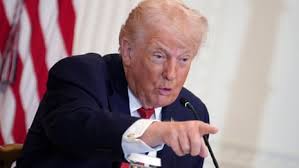
 Former US President Donald Trump has reignited international controversy after threatening to impose heavy tariffs on several European countries in an effort to pressure Denmark into selling Greenland to the United States. The move has sparked concern across Europe and raised fresh questions about the future of transatlantic relations.
Trump announced that the United States would introduce a 10% tariff on imports from multiple European nations starting in early February 2026. He warned that the tariff would increase to 25% by June if Denmark refuses to negotiate the sale of Greenland. According to Trump, the measures would remain in place until an agreement is reached.
The former president described Greenland as strategically vital, citing its Arctic location and growing global competition for influence in the region. He argued that acquiring the territory would strengthen international security and protect Western interests amid rising tensions with major global powers.
European leaders reacted swiftly, rejecting the threat and defending Greenland’s right to self-determination. Officials across the continent condemned the use of economic pressure to force territorial negotiations, warning that such actions undermine diplomatic norms and risk damaging long-standing alliances.
Denmark reiterated that Greenland is not for sale and emphasised that decisions about the island’s future rest with its people. Leaders in Greenland echoed this stance, stressing their autonomy and right to determine their own political and economic path.
Analysts warn that the proposed tariffs could spark retaliatory measures and disrupt global trade if implemented. The dispute also risks deepening divisions within NATO and weakening cooperation between the United States and Europe on security and economic issues.
Despite the backlash, Trump signalled that he remains open to talks, framing the tariffs as a negotiating tool rather than a final decision. As tensions rise, diplomats on both sides face growing pressure to defuse the situation and prevent a trade conflict that could have far-reaching consequences.

![[FREE] DRAKE – BUST IT [R&B/HIP HOP TYPE BEAT]](https://www.mediamec.co.za/wp-content/uploads/2026/05/media_1a1a9285c8debf2e9f27897c70c9366b3fb8cf70b-768x513.jpg)