

 Mediamec
 South Africa’s ambitious National Dialogue initiative a nationwide consultative effort intended to tackle some of the country’s most entrenched socio-economic challenges may now be postponed until after the next local government elections.
Deputy President Paul Mashatile, speaking at the recent induction of the National Dialogue Steering Committee in Pretoria, indicated that although the government initially aimed to hold the second major session of the dialogue in the first half of 2026, the evolving demands of the electoral cycle could push the actual start of the process to later in the year. The cause of the delay, Mashatile explained, lies in the competing pressures of both engaging citizens deeply across the country and preparing for an intensive election period in which voter registration and civic participation campaigns will play a central role.
The National Dialogue conceived as a large-scale inclusive forum where citizens, business, labour, civil society, and political actors jointly chart a path beyond chronic poverty, inequality, crime, and sluggish economic transformation began its first formal phase with a National Convention in August 2025. This foundational gathering brought delegates together from diverse sectors to establish the framework for what was envisioned as a prolonged and impactful process of shared reflection and action.
However, the sheer scope and ambition of the project which aims to bring conversations to the grassroots and build a widely owned, actionable social compact means careful sequencing with other national priorities is crucial. With local government elections approaching and vast efforts being channelled into ensuring broad public involvement in both the dialogue and the democratic process, authorities are weighing the practicalities of advancing both agendas without compromising either.
Critics and observers have also underscored the importance of clarity and genuine inclusivity in the dialogue’s rollout, urging that the process not be rushed or constrained by political timetables. Many emphasise that for the initiative to be meaningful and not merely symbolic, it must reach beyond headline sessions into substantial engagement with ordinary citizens in towns, townships, and farming communities alike.
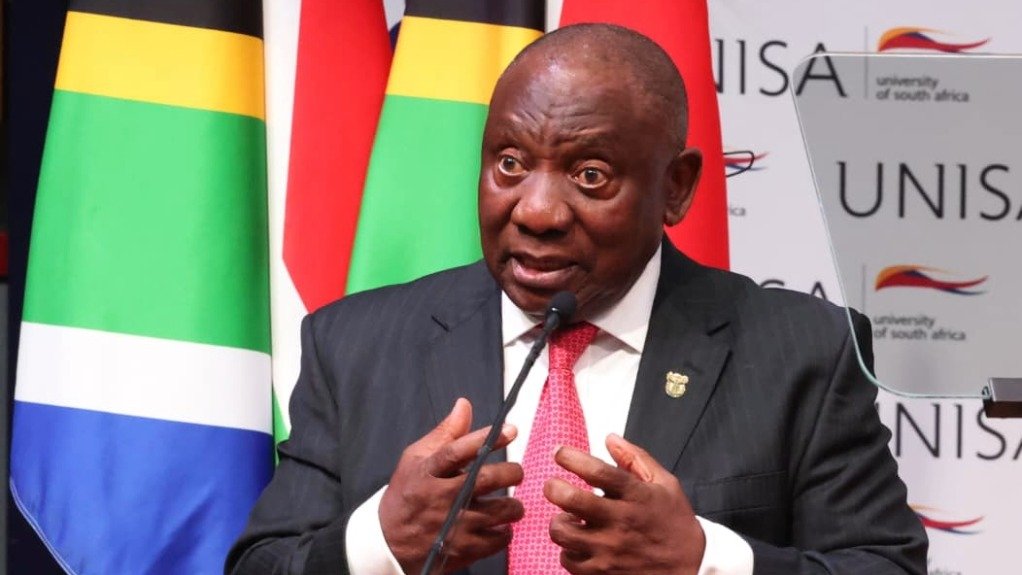
President Cyril Ramaphosa has underscored the importance of citizen leadership in the National Dialogue, calling on South Africans to see the initiative as their own. According to government voices, the dialogue process is intended not simply as a series of conversations but as a mechanism to forge consensus and practical steps toward a more equitable and prosperous society.
As the country balances the final preparations for local government elections with the groundwork laid for the Dialogue, many will be watching closely to see how these parallel processes unfold and whether the postponement ultimately strengthens or weakens the prospects for sustained national cohesion and transformation.