 Mediamec
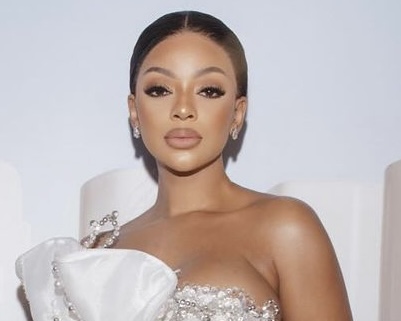
 South African content creator and influencer Mihlali Ndamase has issued a powerful public statement addressing months of alleged harassment, intimidation, and violations of her privacy emphasising that no means no and that public visibility should never be mistaken for consent or an open invitation to intrusion.
Ndamase, who rose to fame through online beauty tutorials and social media influence, shared the statement via her verified Instagram account, explaining that speaking out was a matter of personal safety and self-preservation. Her decision to go public came after what she described as a sustained campaign of troubling behaviour by a man she named in her post.
According to her account, the situation escalated after she rebuffed someone’s romantic advances. She alleges that the individual then began to follow her movements, appeared uninvited at her workplace, and even showed up in locations where she was parked or seated actions she says made her feel watched and unsafe.
Ndamase also says her privacy was repeatedly violated and that members of her family were approached in public. She claims that people were allegedly paid to follow and photograph her without her consent, contributing to a distressing environment where even everyday activities became sources of anxiety.
In the same statement, she addressed the issue of damaging rumours being circulated online. Ndamase explained that unverified stories about her personal life including serious allegations previously published on blogs and social platforms have hurt her reputation and complicated her situation.
Ndamase made clear that she is working with law enforcement and taking legal steps to protect herself and her loved ones. She stressed that her decision to speak publicly wasn’t about seeking attention or sympathy, but about asserting her right to safety and clarity as silence became untenable.
As part of her message, Ndamase urged a broader understanding of boundaries and consent, saying that being a public figure does not diminish anyone’s entitlement to personal autonomy and respect. “Influence does not equal consent,” she wrote, emphasising that rejection is not provocation and that safety must always be prioritised.
The post has sparked intense discussion online, with commentators divided in their reaction — some voicing concern and support for her stance against harassment, and others debating the wider implications for privacy, celebrity culture, and personal accountability.