


 Mediamec
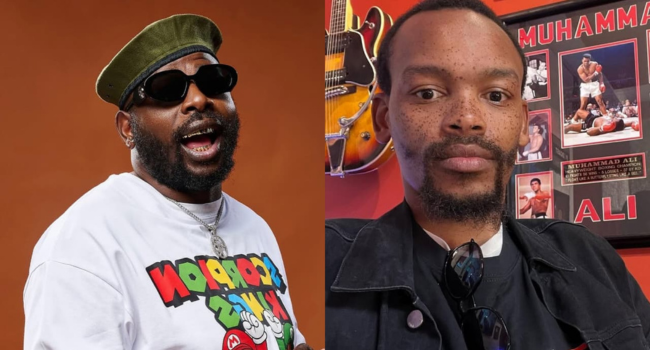
 A long-running issue over music royalties has boiled over into the public eye once again, with South African producer DJ Maphorisa reigniting a dispute with music executive Nota Baloyi over payment for his role in one of the country’s most iconic tracks.
The controversy began when Baloyi took to social media to mark the anniversary of Ngud, the breakout hit by Kwesta featuring Cassper Nyovest that dominated charts and airwaves upon its release a decade ago. What was intended to be a celebration of the song’s cultural impact quickly turned contentious.
DJ Maphorisa, who contributed to the song’s production, responded directly to the anniversary post with a pointed call for long-overdue royalties, saying he had yet to receive compensation for his work on the track. His remarks struck a chord with many fans and industry observers, drawing attention to long-standing debates about how producers and creatives are paid when major hits generate revenue over time.
The exchange prompted an immediate reply from Baloyi, who defended his position and brought broader industry practices into the conversation. He argued that complexities around publishing rights and song sampling had affected how earnings were distributed, particularly when tracks incorporate elements from older recordings that carry their own ownership arrangements. This explanation touched on the way music credits, sampling, and copyright agreements can dilute earnings for some contributors, even on hugely successful songs.
The public back-and-forth quickly drew commentary from other musicians and members of the entertainment community. Some supported Maphorisa’s stance on fair compensation, while others described the dispute as symptomatic of deeper, systemic issues within the music business — where the lines between creative contribution and financial reward aren’t always clear.
This latest chapter in the DJ Maphorisa–Baloyi dispute underscores how financial disagreements can simmer for years in the background before erupting into the spotlight. It also highlights a broader conversation in South African music about transparency, the value of creative labour, and how exceptions like sampling can complicate who ultimately gets paid and how much.
As the debate continues on social platforms and within industry circles, many are watching closely to see whether this public confrontation will lead to a resolution or prompt discussions about reform in how royalties are handled for producers and behind-the-scenes contributors.