


 Mediamec
 After more than a decade on the run, former Canadian Olympic snowboarder Ryan Wedding has been captured and taken into custody in Mexico, ending a long and high-profile manhunt by U.S. law enforcement agencies.
Wedding, 44, once competed for Canada in the Winter Olympics before his life took a dramatic turn into alleged international crime. In the years that followed his athletic career, authorities say he became the leader of a sprawling drug trafficking network that shipped large quantities of cocaine from Latin America into the United States and Canada and operated across multiple countries. Federal prosecutors portrayed him as the head of a highly organised criminal enterprise with links to powerful cartels.
For months, Wedding had topped the FBI’s list of most wanted fugitives, with a substantial reward offered for information leading to his arrest. Law enforcement officials focused significant resources on tracking him down, coordinating efforts across borders with partners in Mexico, Canada, Colombia and other nations.
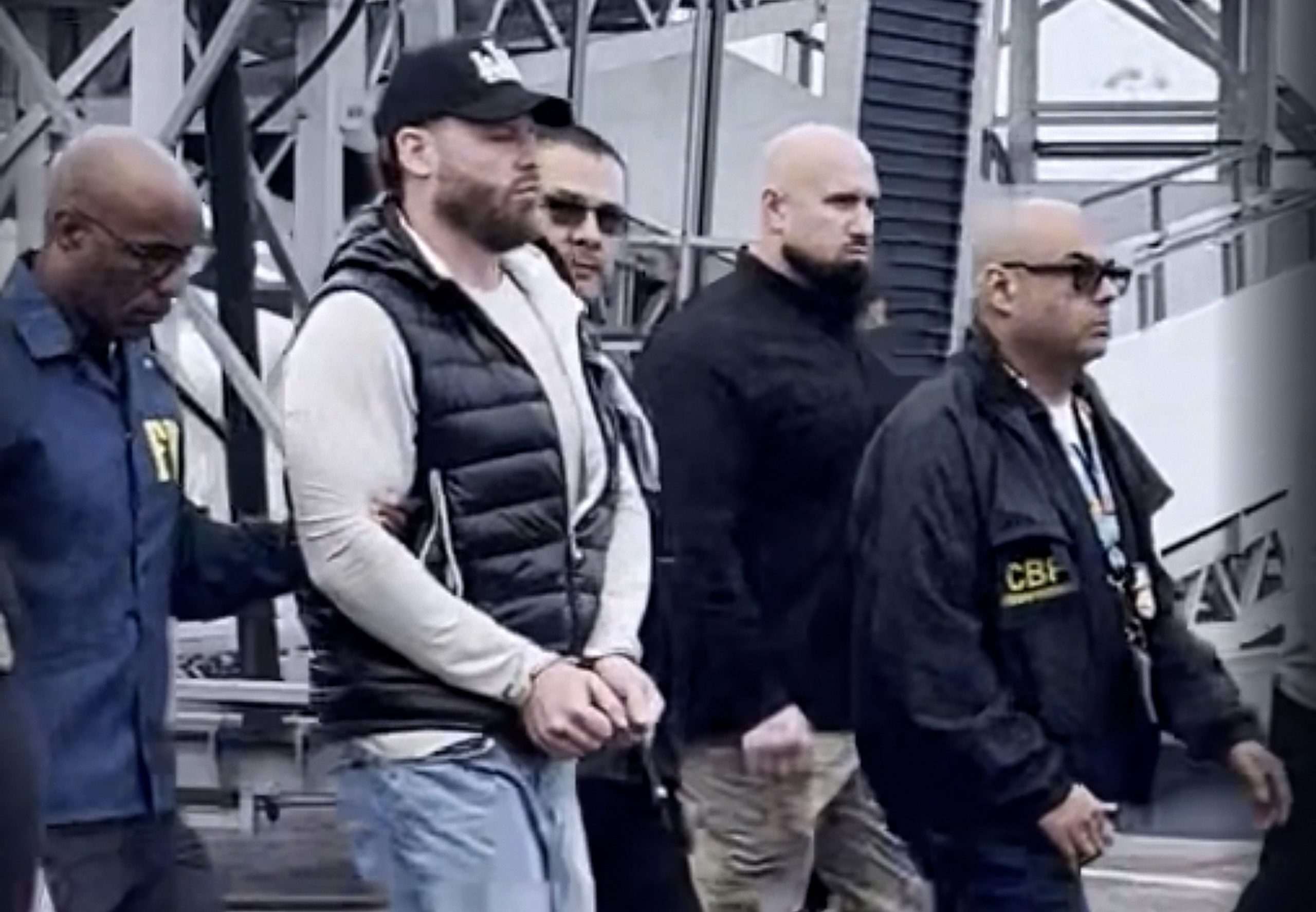
This week, Mexican authorities, working with U.S. agents, located and detained Wedding in Mexico City. He was then transported to the United States, where he is set to face an array of federal charges related to drug trafficking, running a criminal enterprise and more serious allegations tied to violence. The arrest marks the culmination of a lengthy investigation that involved complex international cooperation.
The case against Wedding has cast a spotlight on how a once-promising young athlete allegedly became deeply embedded in organised crime. Prosecutors allege that, at the height of his operation, the network he led was responsible for moving large volumes of cocaine each year and generated significant illegal revenue. Some of the accusations include directing violent acts, including killings, in efforts to protect and expand his criminal enterprise.
Officials have described the arrest as a major victory in their ongoing efforts to dismantle transnational drug networks. Wedding’s capture is expected to be followed by court proceedings in the United States, where he will answer to federal charges.
The dramatic contrast between Wedding’s early sporting career and his later years as a fugitive has captured public attention. Once celebrated for his representation of his country on the world stage, he now faces life-altering legal consequences in connection with a sprawling and violent criminal operation.
As authorities prepare to present their evidence in federal court, the focus will shift from the manhunt that ended with his arrest to the judicial process that lies ahead. For communities affected by drug trafficking and related violence, the arrest brings a measure of closure but also a reminder of the complex challenges that come with combating organised crime across international borders.