



 Mediamec
 A Devastating Toll on Nature
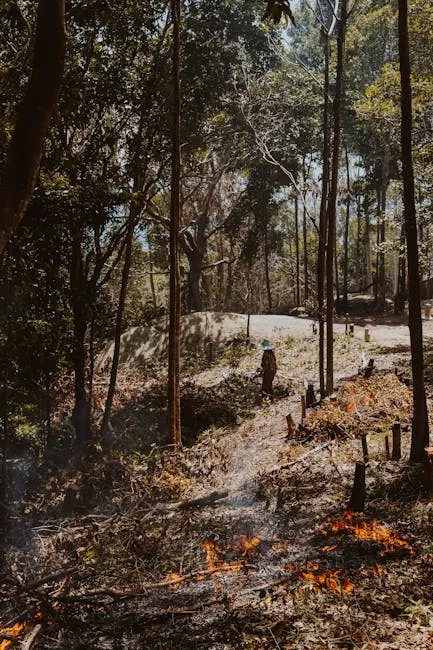
The 2026 fire season in the Western Cape has proven to be one of the most destructive on record for the region’s protected natural areas. According to recent reports, wildfires have ravaged over 70,000 hectares of land managed by CapeNature, the public entity responsible for biodiversity conservation. This staggering figure has already surpassed the total area lost throughout the entirety of the previous year’s fire season, signaling a dangerous and escalating trend.
Scale of the Destruction
To put the scale of this environmental disaster into perspective, 70,000 hectares is an area larger than many major cities. This loss represents not just charred landscapes, but the destruction of critical fynbos ecosystems, which are unique to the Cape Floral Kingdom and home to thousands of plant species found nowhere else on Earth. The fires have impacted wildlife habitats, watersheds, and recreational spaces, with the full ecological and economic cost still being calculated.
Why is This Season So Severe?
While the Western Cape is no stranger to summer fires, the intensity and scale of the 2026 season highlight a confluence of worrying factors. Climate change is a primary driver, leading to hotter, drier conditions that turn vegetation into tinder. Prolonged drought periods, combined with strong seasonal winds, create a perfect storm for fires to ignite and spread rapidly across vast tracts of land. The increasing frequency of such extreme weather events poses a continuous and growing threat to the province’s natural heritage.
The Challenge for Conservation
CapeNature and its teams of firefighters have been on the frontline, working tirelessly to contain blazes and protect high-value biodiversity areas. However, the sheer magnitude of this season’s fires stretches resources thin. The aftermath presents a new set of challenges: preventing soil erosion, managing invasive plant species that often colonize burnt land before indigenous plants can recover, and rehabilitating damaged ecosystems. This event underscores the critical need for sustained investment in fire management strategies, community awareness programs, and climate adaptation measures.
Looking Ahead
The devastation of over 70,000 hectares is a stark reminder of the vulnerability of our natural environments. It calls for a collective response that extends beyond firefighting. Land management practices, public education on fire prevention, and robust policies to combat climate change are all essential components of safeguarding the Western Cape’s irreplaceable landscapes for future generations. As the region moves into recovery, the focus will be on learning from this intense season to build greater resilience against an increasingly fiery future.