


 Mediamec
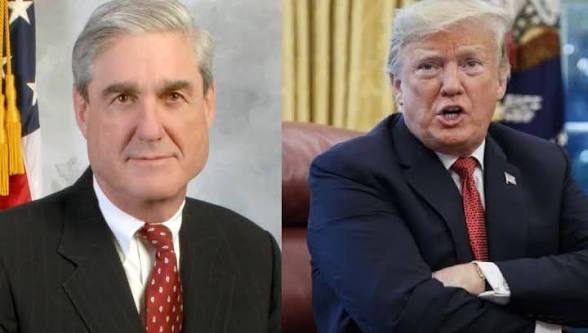
 Recent comments by Donald Trump have reignited discussion about the tone and boundaries of political discourse in the United States, particularly when it comes to addressing figures tied to past investigations. His remarks, directed at former Special Counsel Robert Mueller, have drawn criticism from multiple quarters, with some calling them inappropriate and others dismissing the backlash as politically motivated.
The controversy stems from statements in which Trump appeared to make light of Mueller’s condition and role during the high-profile investigation into Russian interference in the 2016 election. Critics argue that such comments cross a line, especially given Mueller’s long-standing reputation in public service and his perceived neutrality during one of the most scrutinized investigations in recent U.S. history.
Supporters of Trump, however, contend that his remarks are consistent with his often blunt communication style. They argue that political figures, particularly those involved in investigations with major consequences, should not be immune from criticism or satire. To them, the reaction reflects broader political polarization rather than a genuine concern about respect or decorum.
The exchange has once again highlighted how the legacy of the Mueller investigation continues to shape political narratives. Although the investigation concluded years ago, it remains a touchstone for both critics and allies of Trump. For some, it symbolizes accountability and the rule of law; for others, it represents what they see as overreach and partisan targeting.
Political analysts note that moments like this illustrate a deeper shift in modern politics, where rhetoric is often as influential as policy. Public figures are increasingly judged not just on their decisions, but on how they speak about opponents, institutions, and even past events.
As reactions continue to unfold, the incident underscores an ongoing tension in American politics: the balance between free expression and maintaining a level of respect in public discourse. Whether this moment will have lasting political consequences remains uncertain, but it clearly adds another layer to an already complex relationship between Trump and the legacy of the Mueller investigation.