




 Mediamec
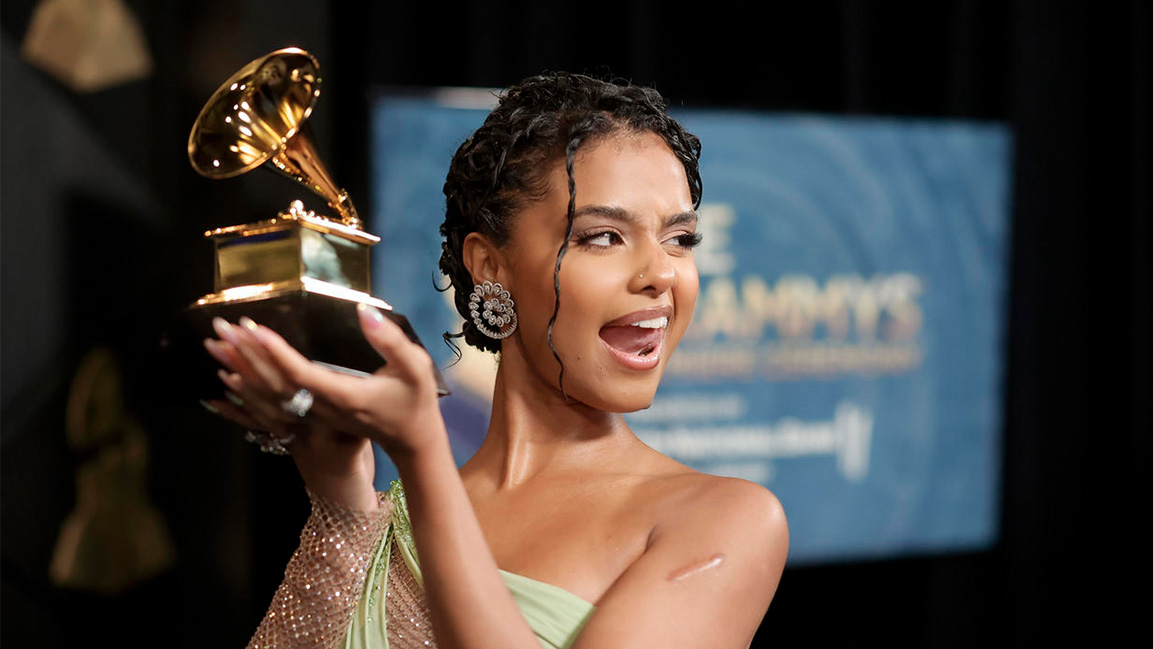
 South African music star Tyla’s recent Grammy triumph sparked national celebration — but the joyous mood quickly turned into criticism when some political parties stepped into the spotlight with branded congratulatory messages. What was meant to be a moment purely about artistic achievement turned into a flashpoint in the heated lead-up to the 2026 election cycle.
Tyla, the 24-year-old singer who clinched her second Grammy Award in the Best African Music Performance category, was widely praised by fans and fellow artists across social media. However, posts from major political groups using her image and victory as part of their own promotional material drew sharp backlash online.
The criticism focused on how certain parties superimposed Tyla’s image onto their trademark colours and logos, combining their slogans with her success. Many social media users saw this as an attempt to ride the coattails of her achievement, arguing that the artist’s win should not be co-opted for partisan purposes. Questions also circulated about whether Tyla had given permission for her likeness to be used in these political graphics, raising concerns about respect for her personal brand.
Comments from netizens ranged from frustrated to outright hostile, with some calling for political groups to avoid intertwining entertainment achievements with political agendas. Several argued that such manoeuvres detract from what should be a unifying and celebratory moment for South Africa on the global cultural stage.
Not all political figures took this route. Leaders from other quarters chose to issue straightforward congratulations to Tyla without any overt branding or campaign messaging, emphasising pride in the country’s cultural footprint rather than leveraging the moment for political gain. These responses were generally met with a warmer reception online.
The mixed reactions highlight a broader debate over the intersection of pop culture and politics, especially at a time when national attention is divided between celebration of creative talent and the increasingly competitive political landscape. While Tyla’s success continues to be applauded for its impact on South Africa’s global profile, the controversy underscores how easily moments of national pride can be reframed in partisan terms — much to the frustration of fans and critics alike.
Earn passive income with every click—sign up today!