

 Mediamec
 Tensions across the Middle East remain high as diplomatic signals from Washington suggest that new negotiations involving Iran could take place soon, even as fighting continues to escalate between Israel and Hezbollah-linked targets in Lebanon.
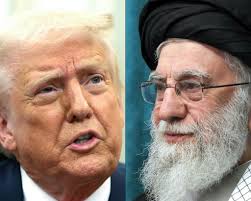
U.S. President Donald Trump indicated that a second round of talks with Iran could begin shortly, following earlier discussions aimed at easing a fragile and fast-shifting regional conflict. While no official date has been confirmed, the remarks point to ongoing behind-the-scenes diplomatic efforts despite continued military pressure in the region.
At the same time, Israeli forces have intensified strikes in Lebanon, targeting areas linked to Hezbollah operations. The renewed attacks come amid ongoing cross-border hostilities that have already caused significant damage and displacement in southern Lebanon.
The situation reflects a widening regional conflict that has drawn in multiple actors, including the United States, Iran, Israel, and regional mediators attempting to prevent further escalation. Efforts at diplomacy have continued in parallel with military activity, creating a volatile mix of negotiations and conflict.
Reports also suggest that backchannel discussions involving international mediators are ongoing, with hopes of stabilising the situation through phased ceasefire arrangements. However, deep disagreements remain, particularly around Iran’s nuclear programme and the future role of armed groups in Lebanon.
While diplomatic optimism has occasionally surfaced, the situation on the ground remains unstable, with continued airstrikes and retaliatory actions shaping the current phase of the conflict.
As pressure mounts on all sides, the coming days are expected to be critical in determining whether renewed negotiations can gain traction or whether the conflict will expand further across the region.