


 Mediamec
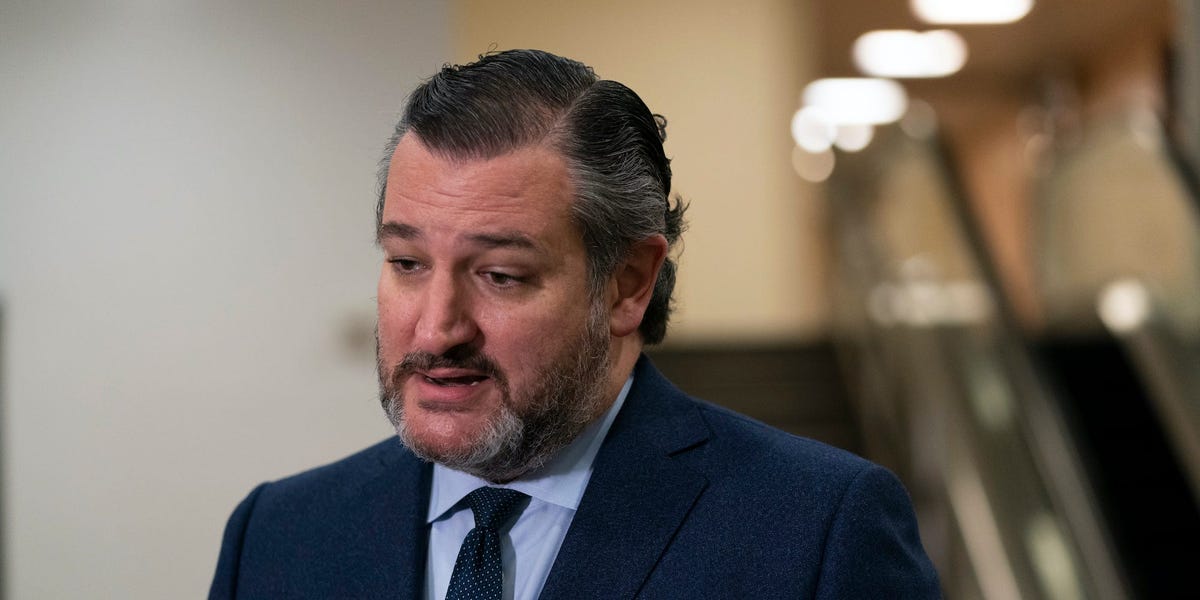
 U.S. Senator Ted Cruz is facing renewed public backlash after images surfaced showing him boarding a flight out of Texas just as a powerful winter storm was forecast to bring dangerous cold and icy conditions to the state.
The photo, which quickly circulated on social media, appeared to show the Texas lawmaker departing for California shortly before weather alerts warned of plunging temperatures and possible disruptions across large parts of the region. The timing of the trip immediately sparked controversy, with many Texans questioning whether their senator should have remained in the state as communities prepared for another severe weather event.
Memories of a Past Controversy Resurface
The incident reopened memories of a widely criticised episode several years ago, when Cruz travelled abroad during a deadly winter freeze that left millions without electricity or heat. That event became a lasting point of contention in his political career, and critics were quick to accuse him of repeating the same mistake.
On social media, the reaction was swift and unforgiving. Many users argued that elected officials have a responsibility to remain close to home during emergencies, both to coordinate responses and to show solidarity with residents facing potential hardship.
Cruz’s Explanation
Cruz’s office moved quickly to respond, saying the trip had been planned well in advance and was related to official business. According to his team, the senator intended to return to Texas before the worst of the weather arrived and remained in contact with state and federal authorities as the forecast worsened.
Supporters defended the explanation, arguing that pre-arranged travel should not automatically be seen as abandonment of duty, especially if contingency plans are in place and communication lines remain open.
Leadership Under the Microscope
Even so, the episode has once again placed a spotlight on how political leaders are judged during times of crisis. For many Texans, the issue is less about logistics and more about symbolism — whether leaders are physically present when their constituents feel vulnerable.
As the cold front moves in and residents prepare for freezing conditions, the debate continues over what the public should reasonably expect from their representatives when extreme weather threatens daily life.
The storm itself may pass in a matter of days, but the questions surrounding leadership, perception and accountability are likely to linger far longer.