
![[FREE] DRAKE – BUST IT [R&B/HIP HOP TYPE BEAT]](https://www.mediamec.co.za/wp-content/uploads/2026/05/media_1a1a9285c8debf2e9f27897c70c9366b3fb8cf70b-300x200.jpg)


 Mediamec
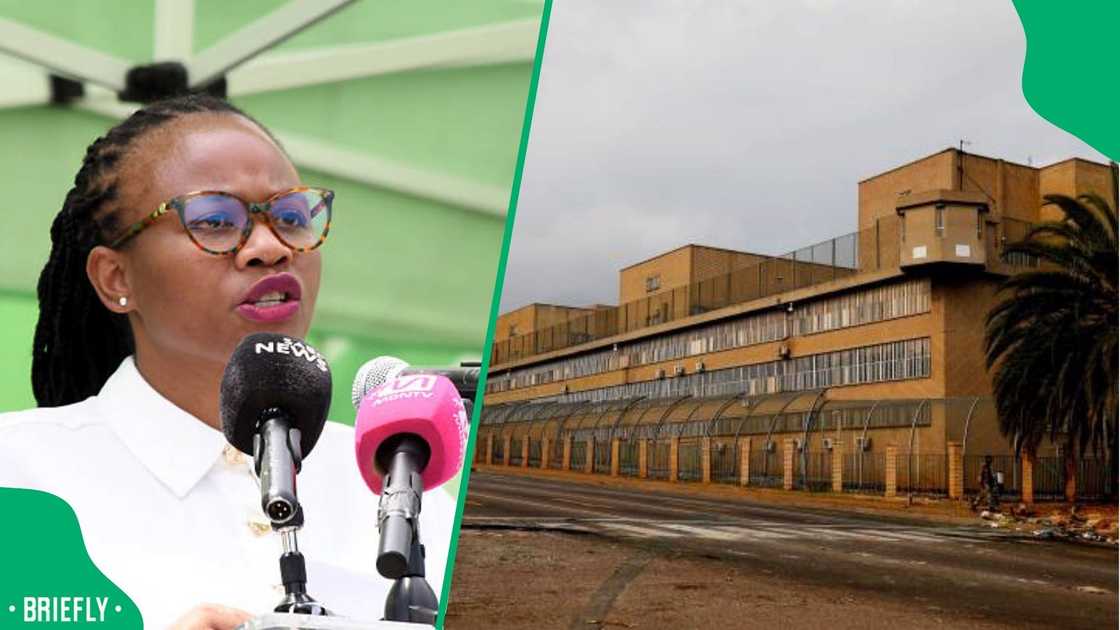
 Tension has erupted between the City of Tshwane and the Department of Correctional Services over a disputed claim that a major prison facility owes the metro millions in unpaid utility bills. The disagreement began when the city’s executive mayor publicly announced that the Kgosi Mampuru II Correctional Centre in Pretoria had accumulated nearly R8 million in outstanding debt for municipal services.
Officials from Tshwane’s revenue collection drive, known as “Tshwane Ya Tima,” visited multiple government institutions to address unpaid accounts. The mayor’s social media post highlighted the correctional facility as one of the primary defaulters, leading many to believe that drastic action was imminent. However, the Department of Correctional Services swiftly pushed back, stating that the account information used by the city was incorrect and that no attempt to disconnect electricity actually took place.
According to the department, its managers identified the error when city officials arrived on site with what they described as a faulty billing statement, forcing the team to withdraw without cutting power. In a strongly worded response, Correctional Services criticised the mayor for making public claims without first verifying the facts, calling the situation “deeply humiliating” for the department. They also accused the city of seeming to single out vital national facilities, emphasizing that correctional centres play a critical role in public safety and should not be subjected to unverified public allegations.
The department has urged Tshwane’s mayor to publicly correct the record and issue an apology for the misstatement. Meanwhile, the city insists that its records show significant arrears in municipal accounts held by the department. Tshwane’s officials say the visits were part of broader efforts to collect money owed by various government entities, not an attempt to embarrass any institution.
City representatives noted that other government bodies approached during the campaign acknowledged their debts and made commitments to settle with municipal finance departments. Tshwane has highlighted the importance of recovering outstanding fees to fund community service delivery, pointing out that government departments collectively owe the metro billions.
City officials have also warned that they may publish the names of institutions that consistently fail to pay their bills, arguing that transparency and accountability are essential. They maintain that formal communication and proof of payment should be provided to resolve such disputes.
As the controversy continues, both sides remain entrenched the department challenging the accuracy of the city’s claims, and Tshwane standing by its billing information and broader revenue collection strategy. The incident underscores ongoing challenges in intergovernmental cooperation and municipal finance management.



![[FREE] DRAKE – BUST IT [R&B/HIP HOP TYPE BEAT]](https://www.mediamec.co.za/wp-content/uploads/2026/05/media_1a1a9285c8debf2e9f27897c70c9366b3fb8cf70b-768x513.jpg)