



 Mediamec
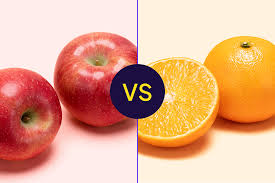
 Apples and oranges are both popular, nutrient-rich fruits often recommended as part of a balanced diet. But when it comes to managing blood sugar levels, many people wonder if one is clearly better than the other.
The truth is that both fruits contain natural sugars that can raise blood glucose levels, but their overall impact is moderated by their fiber content and nutritional profile.
Apples are rich in soluble fiber, particularly pectin, which slows digestion and helps prevent rapid spikes in blood sugar. Most of the sugar in apples is released gradually into the bloodstream, especially when the fruit is eaten whole with the skin. This slower absorption process makes apples a steady-energy snack that supports more stable glucose levels over time.
Oranges also contain fiber and are naturally low on the glycemic scale, meaning they generally cause a slower rise in blood sugar compared to many processed carbohydrates. In addition, they provide vitamin C and beneficial plant compounds that may support long-term metabolic health and insulin function.
Nutrition experts generally agree that neither fruit is superior in a strict sense. Instead, both can be included in a blood sugar-friendly diet when eaten in whole form and in appropriate portions.
One key factor that influences blood sugar response is how the fruit is consumed. Whole fruits are far more beneficial than fruit juices, which lack fiber and can lead to quicker sugar absorption and sharper glucose spikes. Pairing fruit with protein or healthy fats can also help slow digestion and improve blood sugar stability.
Ultimately, the choice between apples and oranges comes down to personal preference and dietary balance. Both can support healthy eating habits and contribute to improved metabolic health when consumed as part of a varied diet.