



 Mediamec
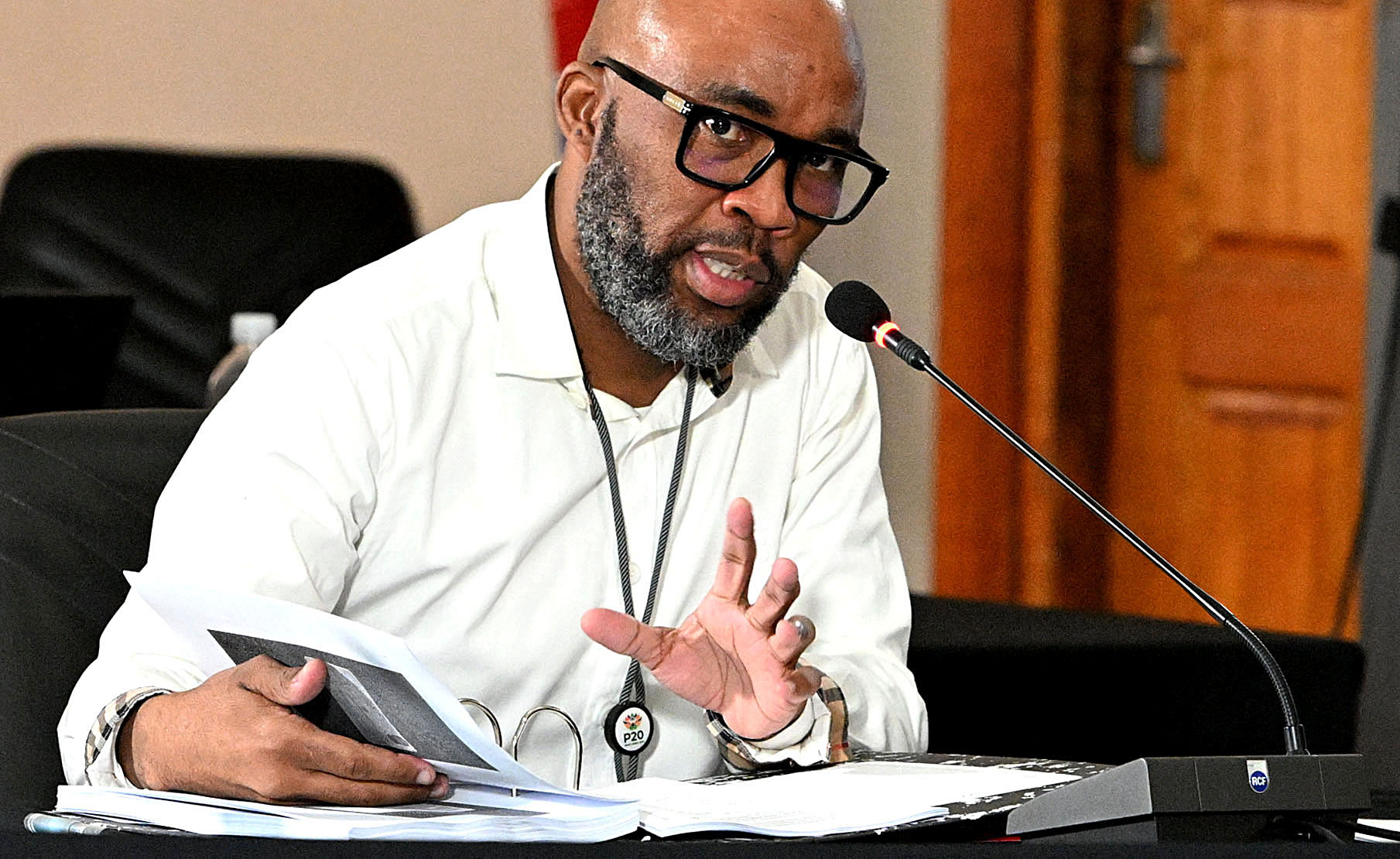
 South African authorities have been rocked by new testimony in Parliament’s ongoing investigation into corruption and criminal influence in the justice system. Lieutenant-General Dumisani Khumalo, head of Crime Intelligence, told an ad hoc parliamentary committee that controversial businessman Vusimuzi “Cat” Matlala gave false testimony about his citizenship status.
Matlala, who has been at the centre of several high-profile criminal probes, previously denied under oath that he held dual citizenship and insisted that an identity document linking him to Eswatini was fabricated and planted on his phone. In his latest testimony, Khumalo said forensic evidence tells a very different story — showing that Matlala’s own mobile phone contained messages requesting the Eswatini ID image from his wife, undermining his claims of tampering and fabrication.
According to the intelligence boss, the Eswatini ID in question was confirmed by authorities in that country to have been issued to Matlala, albeit through what was described as irregular and highly questionable procedures. Khumalo characterised these irregularities as clear fraud, noting that the national identity number was generated before a supporting birth certificate had even been registered a sequence that should be impossible in a lawful system.
The revelations come amid Matlala’s ongoing legal troubles. He was arrested in 2025 and is facing a range of serious charges connected to an alleged plot to assassinate his former partner, as well as allegations including money laundering, attempted murder, conspiracy, and efforts to obstruct justice. These charges have formed part of a broader investigation into organised crime’s infiltration of state structures.
Khumalo’s testimony not only challenges Matlala’s credibility but also underscores broader concerns raised during the parliamentary hearings about criminal syndicates’ influence and reach. Lawmakers have been examining the extent to which organised crime may have compromised key institutions and processes, with dual citizenship and cross-border networks singled out as factors that can allow some individuals to evade detection and accountability.
The committee’s probing of these matters continues, with MPs expected to press further on the implications of Matlala’s false statements and what they reveal about wider systemic weaknesses in law enforcement and governance.