

 Mediamec
 In a dramatic turn for South Africa’s manufacturing sector, one of the country’s largest tobacco companies has announced it will close its only local cigarette production facility by the end of 2026. The move comes after years of increasing pressure from a booming illicit cigarette market that has eroded legal sales and made local manufacturing unsustainable.
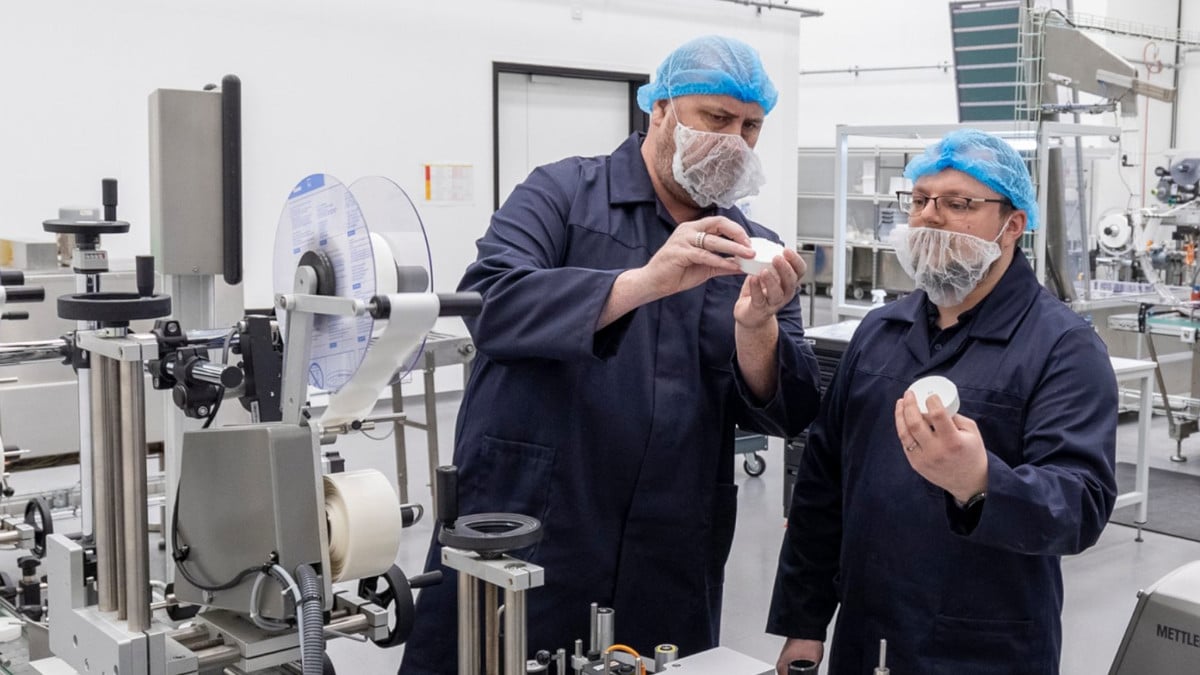
The company, which controls a significant share of the legal cigarette market in South Africa, said that the growth of illegal, untaxed cigarettes has reached a tipping point. With an estimated majority of the market now dominated by illicit products, legal production volumes have plunged. The factory located in Heidelberg, Gauteng — is reportedly operating at a fraction of its capacity due to declining demand for officially manufactured cigarettes.
Company representatives described the decision as one of the hardest they have faced, acknowledging the impact it will have on staff and the surrounding community. About 230 workers who are directly employed at the facility could be affected, with potential ripple effects on local suppliers, logistics providers, and contractors who depend on the plant’s operations.
For decades, the Heidelberg plant has been a fixture of the local economy. Its closure marks the end of an era of domestic cigarette manufacturing, although the company said it still plans to serve the South African market by shifting to import-based supply rather than local production.
The move highlights broader challenges facing legal industries in South Africa as illicit trade continues to outpace enforcement efforts. Experts and industry insiders have long warned that illegal cigarettes often sold at significantly lower prices because they evade taxes undercut legitimate manufacturers and drain public revenue through uncollected excise duties.
The company has begun consulting with employees, union representatives, and labour advocates as part of the required process to manage the transition. While the closure is set for the end of next year, negotiations and consultations are expected to continue over the coming months.
The announcement has triggered calls from labour groups for urgent government action to stem the growth of illicit trade, protect jobs, and support industries battling unfair competition from unregulated markets.
As South Africa grapples with this development, the implications are clear: without effective strategies to curb illegal trade, more formal manufacturing sectors could face similar pressures, risking jobs and economic stability in communities across the country.