 Mediamec
 Inquiry Probes Political Pressure on Post-Apartheid Justice
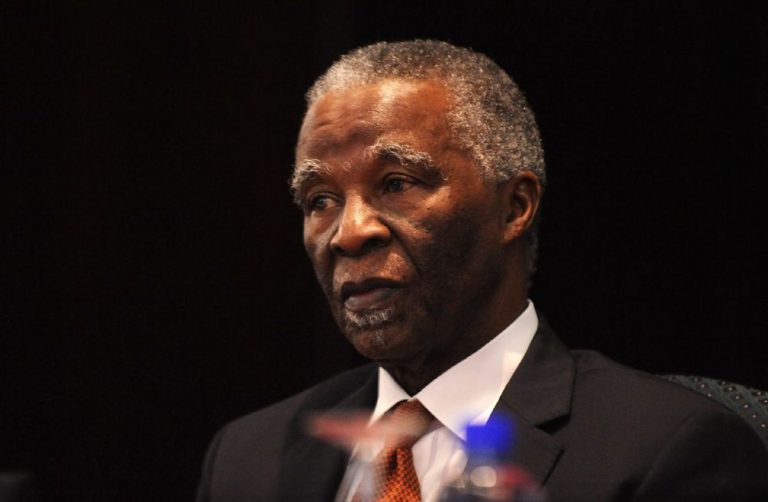
A major judicial inquiry is currently examining one of South Africa’s most sensitive post-democracy questions: whether political forces interfered with the prosecution of apartheid-era crimes. The TRC Cases Inquiry, chaired by Justice Sisi Khampepe, has heard new testimony alleging high-level interference, with a former senior prosecutor pointing a finger directly at former President Thabo Mbeki.
Former Prosecutor’s Testimony
Advocate Anton Ackerman, a former director at the National Prosecuting Authority (NPA), recently took the stand. His testimony forms a crucial part of the inquiry’s mandate to investigate the reasons behind the significant delays and apparent failures in prosecuting cases referred by the Truth and Reconciliation Commission (TRC). Ackerman’s allegations suggest that pressure from the highest office in the land may have played a role in stalling these critical cases, which were meant to deliver a form of justice where the TRC’s amnesty process had not.
The TRC, established to help South Africa transition from apartheid, offered amnesty to perpetrators who fully disclosed their politically motivated crimes. However, thousands of cases where amnesty was not sought or granted were referred to the NPA for potential prosecution. For many victims’ families and human rights advocates, the subsequent lack of prosecutions has represented a profound failure of the post-apartheid justice system.
The Core of the Allegations
While the full details of Ackerman’s testimony are emerging, the central claim is that there was deliberate political interference during Mbeki’s presidency that hampered the NPA’s work on TRC cases. This raises serious questions about the independence of prosecutorial authority and the political will to pursue justice for crimes committed during the apartheid era. If proven, such interference would contradict the constitutional principles of a separate and independent judiciary and prosecuting service.
The inquiry’s work is not about retrying apartheid-era crimes but about investigating why the legal system seemingly failed to act on them. It seeks to uncover whether the delays were due to a lack of capacity, complex legal challenges, or, as the latest testimony suggests, deliberate obstruction.
A Nation Grappling with Its Past
This inquiry touches a raw nerve in South Africa’s national consciousness. For many, the successful prosecution of TRC cases is seen as unfinished business, essential for national healing and upholding the rule of law. The allegation that a sitting president may have influenced this process strikes at the heart of the country’s democratic project.
As the TRC Cases Inquiry continues its work, the nation watches closely. The findings could have significant implications for understanding South Africa’s recent history and for holding institutions accountable. The testimony from figures like Anton Ackerman is a stark reminder that the journey toward full accountability and reconciliation is often long, complex, and fraught with difficult revelations.