


 Mediamec
 President Cyril Ramaphosa has defended his decision to appoint veteran negotiator Roelf Meyer as South Africa’s next ambassador to the United States, pushing back against growing criticism over the controversial choice.
The appointment has triggered strong political debate, with critics questioning the selection of a former apartheid-era minister for such a high-profile diplomatic role. Despite the backlash, Ramaphosa insists Meyer is well equipped to represent South Africa’s interests abroad and help rebuild strained relations with Washington.
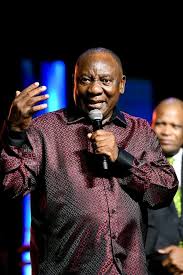
Speaking during a public engagement on Wednesday, the president made it clear that all diplomats are expected to represent government policy regardless of their political history or personal affiliations. He stressed that any envoy serving under his administration must remain aligned with the country’s official diplomatic position.
Ramaphosa also argued that Meyer’s long experience in negotiation and statecraft makes him a strategic choice at a time when relations between Pretoria and Washington require careful recalibration.
The appointment has drawn criticism from opposition voices, particularly those who believe the decision sends the wrong political message given Meyer’s historical association with the former National Party government. Supporters of the move, however, argue that his role in South Africa’s democratic transition and later service in the Government of National Unity demonstrates his value as an experienced statesman.
Meyer is widely regarded as one of the architects of South Africa’s negotiated settlement in the early 1990s, having worked closely with Ramaphosa during the constitutional talks that helped end apartheid.
With diplomatic ties between South Africa and the United States under renewed pressure, the appointment is being viewed as an effort to stabilise relations and restore high-level engagement between the two countries.
The debate surrounding the decision is expected to continue, particularly as political parties weigh the symbolism and strategic implications of the appointment.