

 Mediamec
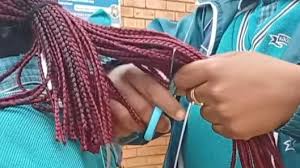
 A viral social media video showing schoolgirls having their braids cut at a school gate has reignited nationwide debate about strict hair policies in South African schools. The footage, shared on a popular video platform and viewed by many, shows learners visibly upset as their colourful and long braids are removed to comply with school regulations.
The incident reportedly occurred as the new academic year approached and schools began enforcing grooming standards. Many learners had experimented with bold hair colours and styles during the holiday break, only to be confronted with strict rules on the first day back. In the video, some students are seen cutting their own hair in distress, while others stand outside the school grounds with bleached or styled hair that did not meet the institution’s code of conduct.
Reaction to the video was intense, with comments flooding in from all sides of the debate. Some people defended the schools, arguing that clear rules are essential and that compliance teaches discipline and prepares learners for future expectations in workplaces and society. Supporters pointed out that rules exist for a reason and should be followed consistently.
However, many others criticized the handling of the situation, questioning whether a hairstyle truly impacts learning or discipline. Critics highlighted that the manner in which the braids were cut felt harsh and punitive, especially given the emotional and financial investment families often make in certain hairstyles. Some argued that schools should communicate policies well in advance and allow time for students and parents to adjust, rather than enforcing immediate and drastic measures.
The incident has also brought long-standing concerns about fairness and cultural sensitivity to the forefront. For years, strict appearance rules in some schools have been criticised for disproportionately affecting Black learners, especially girls. Hairstyles that are culturally significant or natural to certain communities — including Afros, braids and dreadlocks — have at times been labelled “untidy” or “distracting”, prompting debate over whether such policies reinforce outdated standards rather than support inclusive education environments.
The emotional responses from viewers and the learner who shared the video underscore how deeply personal the issue of hair expression can be, particularly for young people navigating both identity and academic expectations.
As the discussion continues online and in communities, parents, students and educators are increasingly calling for a review of hair and grooming policies. Many believe that respectful dialogue, clear communication and more culturally inclusive approaches could reduce conflict and help schools balance discipline with students’ dignity and self-expression.