



 Mediamec
 A new proposal under discussion in South Africa could allow unemployed people to temporarily bypass parts of the country’s labour laws in an effort to make it easier for them to enter the job market.
The idea suggests introducing a voluntary system where job seekers would be able to agree to work under conditions not fully bound by existing regulations, including protections related to minimum wage and standard employment frameworks. Supporters argue that this could open up opportunities for people who are currently excluded from formal employment due to strict hiring costs and regulatory barriers.
Advocates of the proposal believe that the country’s high unemployment rate, especially among young people and unskilled workers, requires more flexible entry points into the labour market. They argue that many employers are reluctant to hire due to the financial and administrative burden of compliance, which in turn limits job creation.
Under the suggested model, unemployed individuals would effectively be given more freedom to negotiate terms directly with employers, potentially increasing their chances of securing work where they might otherwise be overlooked.
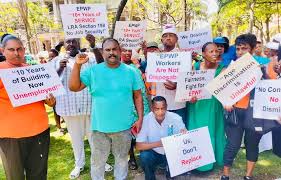
However, the proposal has also triggered concern from critics who warn that it could expose vulnerable job seekers to exploitation and significantly weaken labour protections that were designed to ensure fair treatment in the workplace. Labour rights advocates argue that reducing safeguards could lead to lower wages and poorer working conditions for those already in a precarious position.
The debate forms part of a broader national conversation about how to address South Africa’s persistent unemployment crisis, which continues to affect millions of people and remains one of the country’s most pressing economic challenges.
As discussions continue, policymakers face the difficult task of balancing the need for job creation with the protection of workers’ rights in an already fragile labour market.